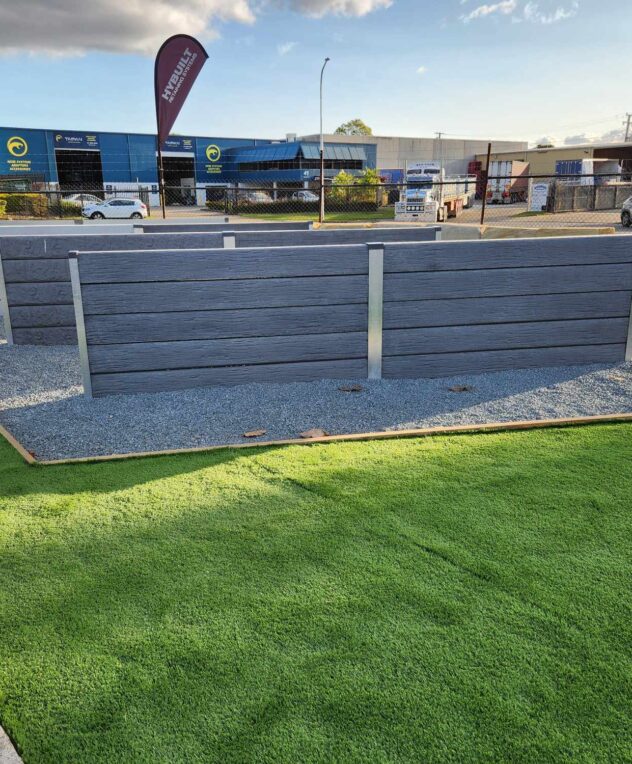
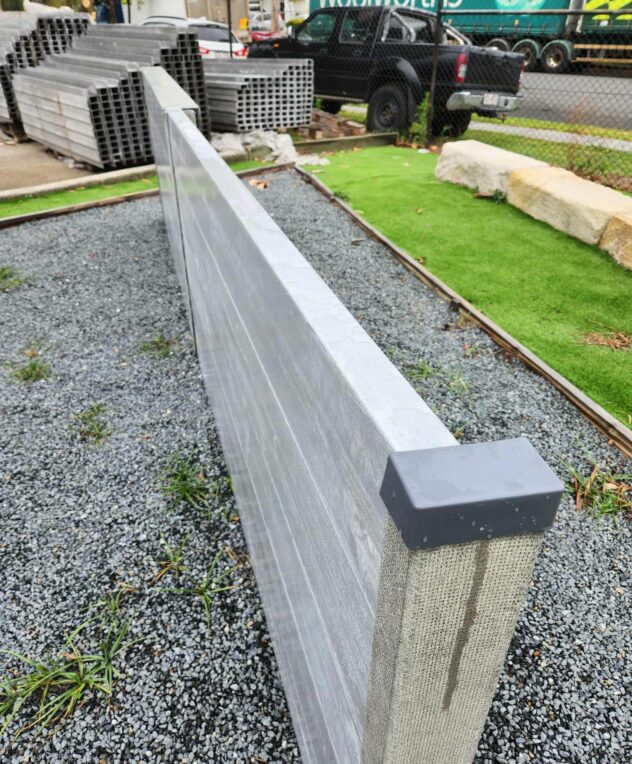
Composite Sleepers
Best for: A balance of durability, lightweight handling and modern aesthetics.
Why composite sleepers are gaining ground
- Lightweight and easy to handle, often weighing under 6kg per sleeper, so no heavy machinery needed
- Won’t warp, crack, rot or attract termites
- Low maintenance with no need for painting, staining or chemical treatment
- Made from recycled materials, making them an eco-friendly option
- Clean, modern finish that suits contemporary landscaping (see the range)
Considerations
Composite sleepers are a newer product in the Australian market, so some homeowners may be less familiar with them. They’re priced similarly to concrete on a per-sleeper basis, but the savings in labour and equipment can make a noticeable difference on the total project cost. For taller or heavily loaded walls, concrete still has the edge on raw structural capacity.
Which Sleeper Is Right for Your Project?
There’s no single winner here. The right choice depends on the job.
If you need maximum structural strength for a tall or load-bearing wall, concrete sleepers are the proven performer. They’re the go-to on engineered walls, sloped sites and any project where long-term soil retention is the priority.
If you’re after a lightweight, low-maintenance and modern-looking option for garden walls, terracing or residential retaining, composite sleepers deliver durability without the heavy lifting.
For smaller, budget-friendly projects like garden edging or low walls, timber sleepers still have their place. But for most retaining wall builds, the decision comes down to composite or concrete.
The good news? HYBUILT stocks these three. So whatever direction your project takes, we’ve got the right sleeper for the job. Browse our full product range or get in touch with our team for advice tailored to your build.
Frequently Asked Questions
Are composite sleepers as strong as concrete?
Composite sleepers are durable and perform well on low-to-medium retaining walls, but concrete sleepers have a higher load-bearing capacity. For taller walls or sites with significant soil pressure, concrete is generally the stronger structural choice.
What is the lifespan of a composite sleeper?
Quality composite sleepers are designed to last 30 years or more. They don’t rot, warp or attract termites, which means their lifespan often matches or exceeds concrete in residential applications where extreme loads aren’t a factor.
Are concrete sleepers better than timber?
For structural retaining walls, yes. Concrete is significantly stronger, longer-lasting and requires far less maintenance than timber. Timber remains a solid option for small, low-level projects where natural aesthetics and budget are the main priorities.
How do composite and concrete sleepers compare on cost?
Per-sleeper pricing is often similar, but composite sleepers can reduce total project cost because they’re lighter and faster to install, often without machinery. Concrete may require equipment hire and additional labour. For an accurate comparison based on your project, request a quote from our team.
Which sleeper is better for sloping sites?
Concrete sleepers are typically recommended for steep slopes with high soil pressure, especially where engineering certification is required. Composite sleepers work well on gentle-to-moderate slopes and stepped or tiered designs where lighter handling is an advantage.
Not Sure Which Sleeper to Go With?
Our team has been helping homeowners, landscapers and contractors choose the right retaining wall materials for over 15 years. Whether you’re comparing composite sleepers vs concrete sleepers or still weighing up your options, we’re happy to talk through the best fit for your site, your budget and your timeline. Contact HYBUILT today or visit us at our Rocklea yard.
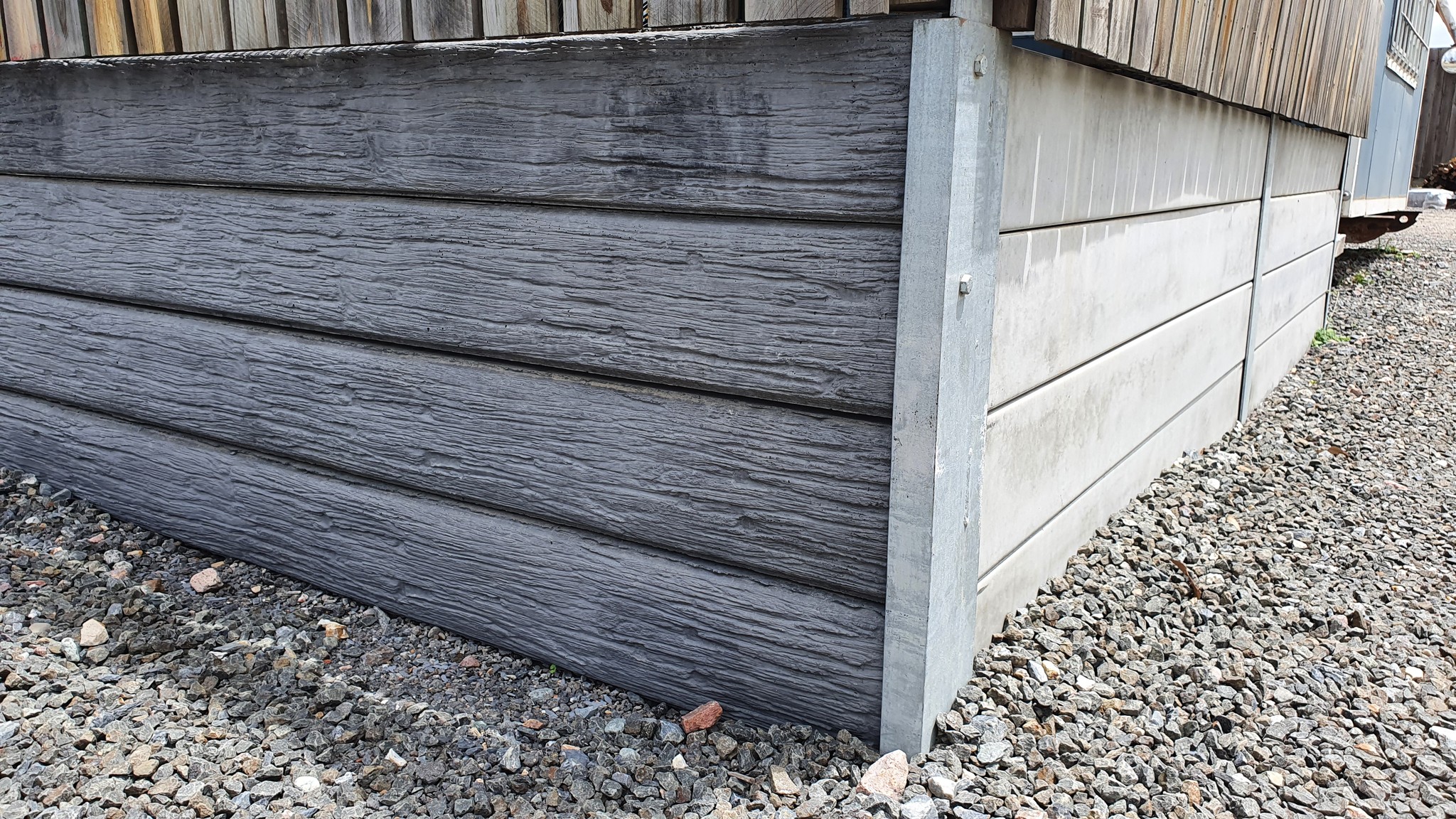
 PRICE BEAT GUARANTEE! - T&C's Apply