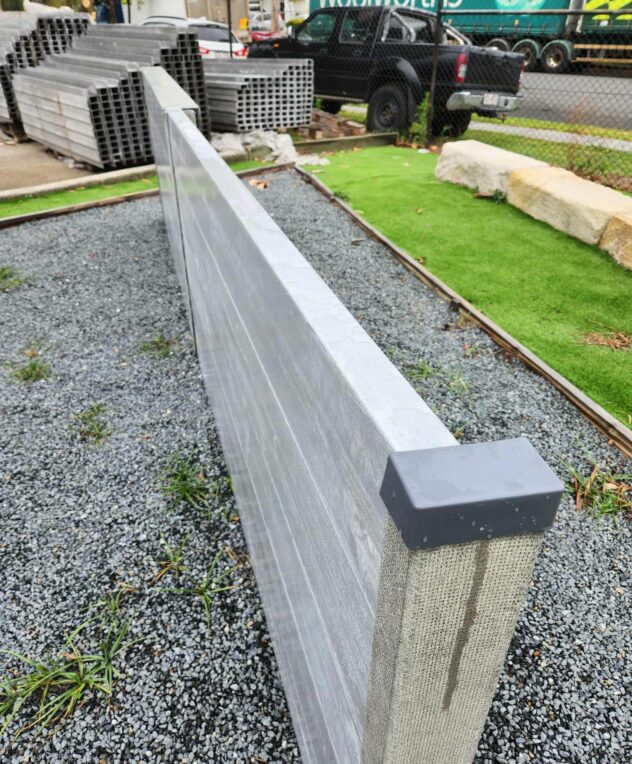
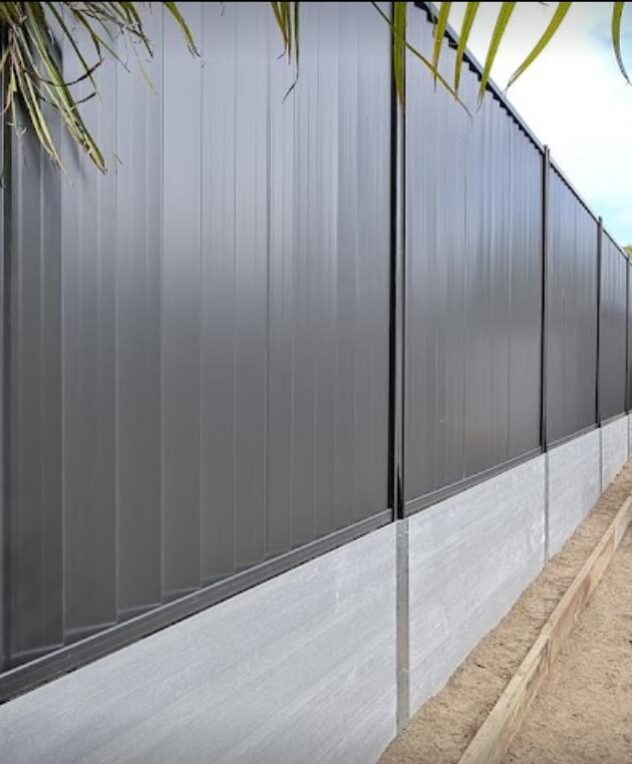
how sandstone blocks are formed

How Is Sandstone Formed? The Geology Behind the Blocks

We’ve all seen it: retaining walls that bow, crack and give up as soon as the Queensland wet season hits.

If you’re not building right the first time, you could be looking at $250 per square metre or more to fix or replace a failed wall. That’s tens of thousands down the drain if you cut corners.
But take a drive from Brisbane’s CBD out to the Gold Coast hinterland and you’ll spot the difference. Sandstone blocks are holding up everything from backyard gardens to major embankments. Solid, straight and built to last through decades of storms.

There’s a reason for that. Sandstone is made for Queensland’s weather and soil, far tougher than most alternatives. That means less time on maintenance, fewer repair bills and a real boost to your property value.

Ever picked up a solid B-Grade block and wondered what makes it so tough? Knowing how sandstone is formed isn’t just trivia. It’s the difference between a wall that lasts decades and one that needs fixing next summer.

At HYBUILT, we supply sandstone blocks for projects from Toowoomba to Northern NSW. We know that knowing your material is the first step to a build that lasts.

Here is the straight-up guide to how nature manufactures Queensland’s most reliable building material.

The Short Answer: Nature's Concrete

Sandstone is a sedimentary rock. It forms when layers of sand (grains of mineral, rock or organic material) accumulate over time and get buried.

The weight of the layers above crushes the sand. Simultaneously, minerals dissolved in groundwater act like “glue,” cementing the grains into solid rock.

Think of it as nature’s version of concrete, but instead of taking 28 days to cure, it takes a few million years. No factories or carbon emissions. Instead, it takes time and pressure.

The Long Answer: A 4-Step Process

To get the high-quality sandstone used in civil and domestic retaining walls, four distinct geological processes must take place.

1. Weathering

It all starts with other rocks (granite or old sandstone) getting broken down by wind, rain and water. In Queensland, most of our sand comes from ancient mountain ranges that have been worn down over millions of years. But those grains still have a long way to go before they become the blocks you see in your wall.

2. Transportation 

Once the rock breaks down into sand, flash floods, rivers and wind carry those grains far from where they started.

Why this matters: The journey sorts the grains. This natural sorting is what gives sandstone the consistent, uniform properties that make it perfect for defining building platforms and landscaping.

3. Deposition 

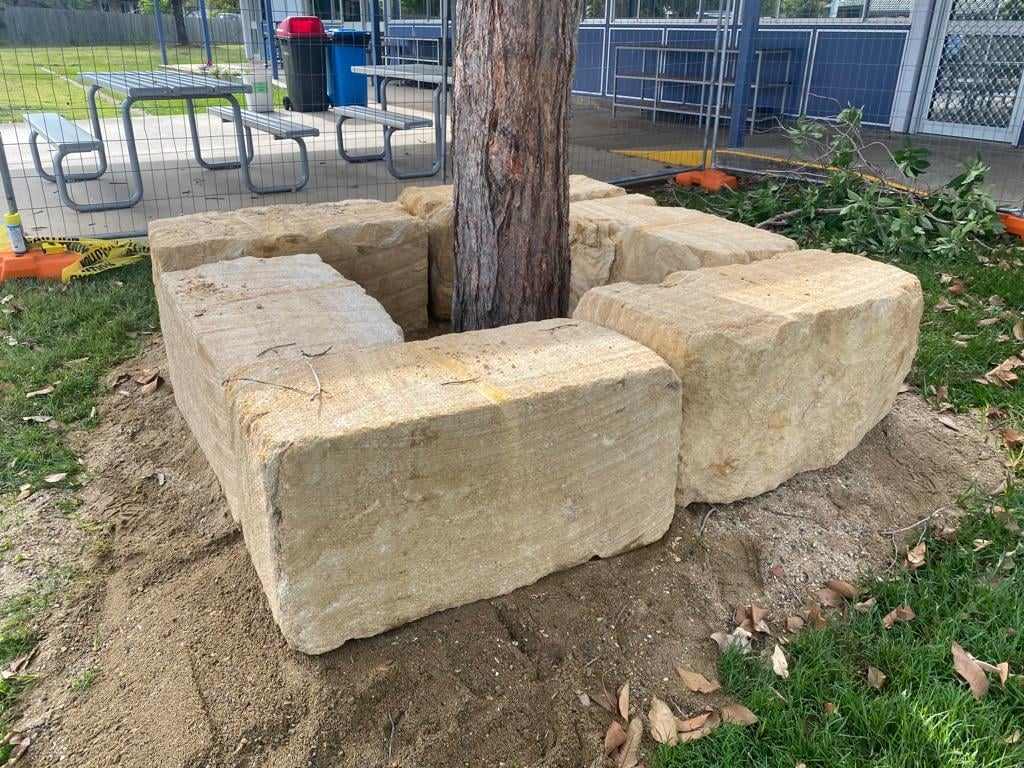
Eventually, the water or wind slows down and the sand settles (often in river deltas, lakes or out at sea). Over thousands of years, these layers build up, forming the beautiful horizontal lines (striations) you see on the face of a sandstone block.

4. Lithification (Turning to Stone)

This is the most critical part. As the pile of sediment grows kilometres high, the weight on the bottom layers becomes immense.

  • Compaction: Pressure squeezes water out and pushes grains tightly together.
  • Cementation: Groundwater carrying dissolved minerals moves through the spaces between sand grains. These minerals (specifically silica (quartz) and iron) crystallize and bond the grains together.

Did you know? In high-quality sandstone, quartz cement can fill up to 25% of the rock’s volume, creating incredible structural density.

Is Sandstone just compressed sand?

The short answer is yes, but it’s the ‘glue’ that makes the difference.

If you just compressed sand, it would eventually fall apart. It’s the cementing agent that gives sandstone its compressive strength, which can reach up to 38 megapascals (MPa) in high-grade iron oxide bonds.

  • Silica-cemented: This is the hardest, most durable sandstone. Use it when you need maximum strength, like driveways or base walls where you can’t compromise.
  • Iron oxide-cemented: This gives you that classic Queensland look; rusty red, orange or pink tones. It provides excellent strength with a warmer aesthetic, perfect for garden features.

The Three Main Types of Sandstone

Geologists sort sandstone by what’s inside, but you don’t need a geology degree to build a solid wall. Knowing the basics helps you pick the right block for the job.

Quartz Sandstone: Over 90% quartz. Usually light or white, and tough as nails because quartz is one of the hardest minerals around.
Arkose: High in feldspar, so it’s often pink or reddish and feels a bit gritty. Usually found closer to the source mountain ranges because the feldspar hasn’t had time to break down.
Lithic Sandstone: This type mixes in rock fragments like volcanic rock or shale, giving you that “salt and pepper” appearance.

Why We Use Sandstone for Retaining Walls

So why do we trust this ancient seabed to hold up your driveway in Ipswich or Gympie?

Durability: Once it’s cemented, sandstone is tough. Hand-placed sandstone walls can last over 50 years—just look at Brisbane City Hall, still standing strong after nearly a century.
Natural Drainage: Sandstone contains natural pores that allow gases and moisture to pass through. This permeability helps manage water pressure behind the wall, reducing the risk of cracking compared to dense, impermeable concrete.
Aesthetics: Every block is unique. You get a one-of-a-kind look that factory-made products just can’t match.

A Quick Guide to SANDSTONE Selection & Installation

Knowing the geology helps, but knowing how to use it is key.

  • Pick Your Grade:
    • A-Grade: Perfect for feature walls and clean lines due to uniform size and shape.
      B-Grade: Ideal for bulk fills, robust support or hidden sections where shape variation doesn’t matter.
  • Don’t Skip the Plumbing: Proper drainage is non-negotiable. Even with porous rock, you must lay a 100mm perforated agi pipe on 20mm drainage aggregate at the base of your trench.

Need sandstone blocks, STEPS or advice?

Whether you need A-Grade for a standout feature or B-Grade for solid support, you’re building with a piece of Queensland’s geological history.

At HYBUILT, we source sandstone that exceeds Australian Standards and deliver across South East Queensland. Our A-Grade blocks and sandstone steps are finished with five sawn sides for a polished look and long-lasting strength.

Premium blocks move fast, so lock in your order before they’re gone. Don’t risk your retaining wall on inferior rock. Get in touch or drop by our Rocklea yard today for a quote.